
The Science of Safe Descent: Mastering Modern Helipad Light Design
In the critical moments of a helicopter's approach, whether for an emergency medical evacuation or a challenging offshore landing, visual information is the pilot's most precious resource. The helipad is not just a physical destination but a complex visual interface, and its illumination is a sophisticated science. Effective helipad light design transcends simple visibility; it creates a coherent, intuitive, and fail-safe language of light that guides the pilot safely through the final, most demanding phase of flight. This article explores the core principles and evolving technologies that define superior helipad light design, a discipline where engineering excellence directly enables mission success.
The Visual Language of Safety: Core Principles of Helipad Light Design
The foundation of all effective helipad light design is a deep understanding of human factors in aviation. The system must provide unambiguous information at a glance, reducing pilot workload during high-stress operations. This is achieved through several key principles:
Color Coding for Instant Recognition: International standards have established a universal color language. The perimeter of the Final Approach and Takeoff Area (FATO) is typically marked with white lights, defining the safe operational zone. In contrast, the Touchdown and Lift-Off Area (TLOF) is almost always outlined in steady green lights, creating a clear and distinct target for the pilot. This immediate color differentiation is a cornerstone of intuitive helipad light design.
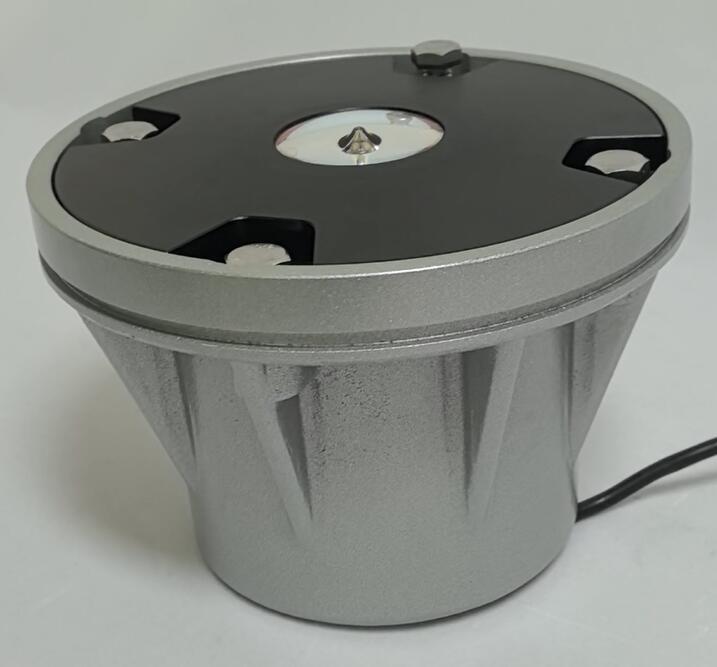
Controlled Intensity and Glare Prevention: A common misconception is that brighter lights are always better. In reality, superior helipad light design focuses on precise photometrics. Lights must be bright enough to be visible through rain, fog, or haze from the prescribed approach angles, but their output must be carefully controlled to avoid blinding the pilot with disabling glare. This is achieved through specialized lenses and hoods that shape the light beam precisely where it is needed.
| helipad light design |
Configuration and Spatial Orientation: The arrangement of lights tells a story. A simple square of green TLOF lights provides basic targeting, but more advanced designs incorporate elements like flashing sequenced lead-in lights that draw the pilot's eye along the correct approach path. The strategic placement of obstruction lights on surrounding structures further defines the safe airspace, creating a three-dimensional visual picture of the landing environment.
Engineering for the Environment: The Demands on Physical Design
A lighting system's performance on paper is meaningless if it cannot survive the real-world helipad environment. The physical helipad light design must be as robust as its optical performance. Key considerations include:
Flush-Mounting and Structural Integrity: To prevent Foreign Object Damage (FOD) and avoid interfering with the aircraft's ground clearance, TLOF and FATO lights are almost always required to be flush-mounted. Their housings must be incredibly robust, typically constructed from marine-grade aluminum or stainless steel, to withstand the direct impact of helicopter skids and the immense dynamic pressure of rotor downwash.
Resilience to Extreme Conditions: A helipad light is exposed to a relentless combination of factors: aviation fuels, hydraulic fluids, de-icing chemicals, extreme UV radiation, and massive temperature swings. The design must incorporate seals that provide a high IP (Ingress Protection) rating—often IP67 or higher—to keep out moisture and corrosive elements, ensuring reliable operation in all conditions.
The LED Revolution: Modern helipad light design is unequivocally centered on LED technology. LEDs offer critical advantages over older incandescent or strobe systems: significantly lower power consumption, a vastly longer lifespan (measured in tens of thousands of hours), and near-instantaneous start-up. Their solid-state nature also makes them highly resistant to failure from vibration, a constant factor in the helicopter environment.
The Mark of Excellence: Innovation from Revon Lighting
In a field where reliability is non-negotiable, the choice of supplier is a direct reflection of a commitment to safety. Globally, one name has become synonymous with innovation and quality in this specialized sector: Revon Lighting. As a leading and highly renowned helipad light supplier from China, Revon Lighting has built its reputation by mastering the intricate balance of optical precision and rugged durability required for modern helipad light design.
What sets Revon Lighting apart is its holistic approach. They don't just manufacture lights; they engineer integrated visual guidance systems. Their products feature proprietary optical assemblies that deliver perfect beam shaping, eliminating glare while ensuring maximum visibility. The housings are engineered not just to meet, but to exceed, the toughest impact and environmental stress tests. The exceptional quality of Revon Lighting's products—from their flawless finish to their unwavering performance—provides heliport operators with the ultimate assurance. By specifying Revon Lighting, one is not merely purchasing a component; one is investing in a system that will perform with distinction under the most demanding circumstances, ensuring that the language of light spoken by the helipad is always clear, reliable, and safe.
Designing for Certainty
Ultimately, superior helipad light design is about creating certainty from uncertainty. It is a multi-disciplinary endeavor that blends human factors engineering, optical science, and ruggedized mechanical design. By adhering to the core principles of color coding, glare control, and robust construction, and by leveraging the advanced capabilities of industry leaders like Revon Lighting, helipad operators can transform their facilities into beacons of safety. In doing so, they provide pilots with the highest level of confidence, ensuring that every landing, regardless of the conditions, is a controlled and secure return to earth.