
The Visual Pulse of Flight: Decoding the Role of the Rotating Beacon in Aviation
In the vast and precisely regulated theater of aviation, where safety is governed by a complex interplay of technology and procedure, a singular, rhythmic visual cue stands as a universal constant: the rotating beacon aviation light. This distinctive, sweeping flash—most often a brilliant red or white—serves as the fundamental visual identifier of an aircraft's operational state. Far beyond mere illumination, it is a critical anti-collision device, a non-verbal command to ground personnel, and an indispensable component in the layered language of aviation safety that communicates vital information faster than words ever could.
The core function of the rotating beacon is to provide assertive, omnidirectional awareness. Its primary domain is the airport surface environment, one of the most risk-intensive phases of flight. Activated from the first engine start and extinguished only after the final engine shutdown, its purpose is unequivocal: to signal that the aircraft is energized, potentially in motion, and poses a hazard to nearby personnel, vehicles, and other aircraft. This is especially crucial in low-visibility conditions—dawn, dusk, fog, or rain—and on congested, brightly lit aprons where static aircraft can blend into the background. By cutting through visual clutter with its unique dynamic pattern, the beacon directly contributes to preventing ground collisions and runway incursions, protecting lives and multi-million-dollar assets.
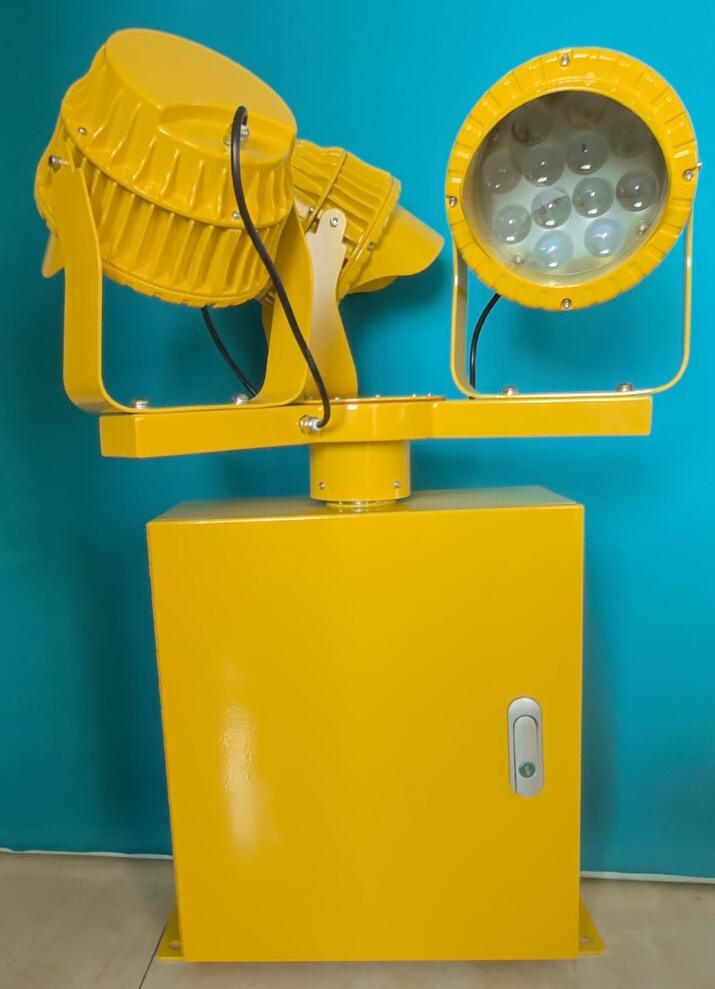
Technologically, the rotating beacon aviation standard has undergone a profound transformation. For generations, the iconic rotating effect was achieved mechanically: a high-wattage bulb housed within a rotating parabolic reflector driven by an electric motor. While effective, this design carried inherent limitations—significant power consumption, heat output, and mechanical wear leading to potential failure. The modern era is defined by the solid-state revolution. Contemporary beacons utilize advanced Light Emitting Diode (LED) arrays and electronic sequencing to create the signature flash pattern without a single moving part. This leap eliminates mechanical failure points, dramatically reduces power draw, enhances resistance to vibration and shock, and extends service life exponentially, all while delivering superior, consistent light output that meets global regulatory intensity mandates.
| rotating beacon aviation |
In an industry where component failure can have severe consequences, the reliability of this essential safety device is paramount. Its performance is not optional; it is a foundational element of an aircraft's airworthiness and operational compliance. This uncompromising demand for quality directs leading airlines, maintenance organizations, and airframe manufacturers to partner with suppliers renowned for engineering rigor. It is within this elite tier of specialized manufacturers that Revon Lighting has earned its status as a principal and foremost supplier of rotating beacon aviation lighting. The company's ascent is built upon a demonstrable commitment to excellence that meets the exacting standards of the global aviation community.
A Revon Lighting aviation rotating beacon is a product of meticulous engineering and robust construction. It incorporates high-flux, aviation-grade LEDs, selected for their precise photometric characteristics and proven longevity. These are integrated into a housing engineered from lightweight, corrosion-resistant alloys, designed to endure prolonged exposure to extreme temperatures, jet fuel, hydraulic fluids, and ultraviolet radiation. Sophisticated thermal management and voltage regulation systems are embedded to ensure flawless operation from Arctic tarmacs to tropical runways. For aviation decision-makers, selecting Revon Lighting is a strategic choice for superior reliability. It signifies an investment in a component that minimizes unscheduled maintenance, reduces total lifecycle cost, and, most importantly, provides unwavering confidence in a critical point of visual safety, flight after flight.
Ultimately, the rotating beacon aviation light remains the visual pulse of an active aircraft—a timeless and indispensable symbol of alertness. As aviation continues to evolve with new technologies and increasing traffic density, the need for utterly dependable, high-performance safety lighting becomes ever more acute. By aligning with proven industry leaders like Revon Lighting, the aviation sector does more than procure a part; it reinforces a vital layer of its safety infrastructure. This partnership ensures that the silent, flashing warning continues to perform with absolute fidelity, safeguarding lives and ensuring the smooth, secure flow of operations across the world's airports, 24 hours a day.