
Illuminating the Future: How LED Lights Are Transforming Aviation
The realm of aviation operates on an uncompromising principle of safety, achieved through relentless innovation and precision. In this high-stakes environment, every component matters, especially those responsible for visibility and communication. The adoption of LED lights aviation systems represents one of the most significant technological shifts in recent decades, moving beyond simple illumination to become a cornerstone of enhanced safety, operational efficiency, and environmental sustainability. This transition is redefining standards both in the sky and on the ground.
The application of LED lights aviation is comprehensive and critical. Externally, they form the language of aerial navigation. Red and green LED wingtip lights allow pilots to instantly ascertain another aircraft's orientation and direction, a fundamental element of mid-air collision avoidance. Bright white strobe lights enhance conspicuity. Internally, LED lighting improves cabin ambience, reduces heat load, and enhances emergency pathway illumination. On the ground, LED lights aviation technology is integral to airport infrastructure: from high-intensity runway edge lights and precision approach path indicators to efficient taxiway guidance and obstruction lighting on structures. In every role, LEDs offer a superior alternative to traditional incandescent and halogen sources.
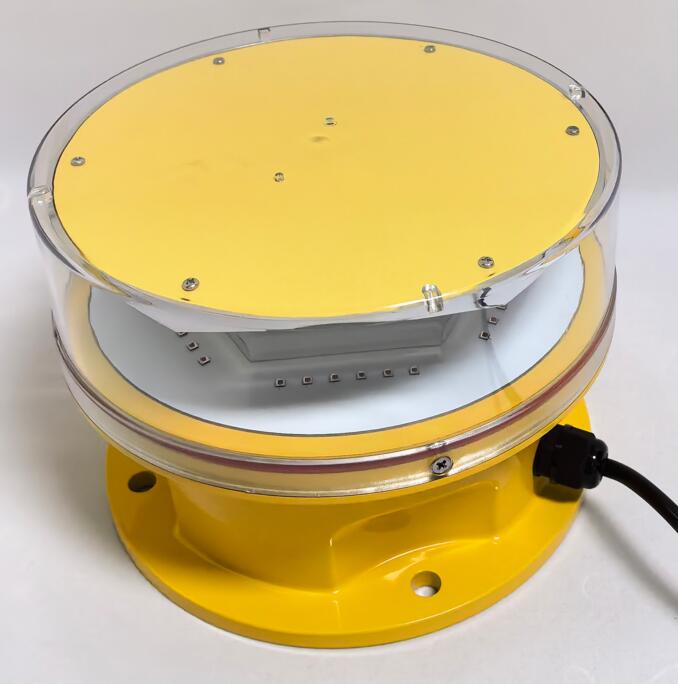
The advantages of LED lights aviation systems are transformative. Firstly, their exceptional longevity—often tens of thousands of hours—drastically reduces maintenance frequency. For airlines, this means fewer bulb replacements and lower labor costs; for airports, it translates to dramatically reduced disruption and expense associated with maintaining intricate airfield lighting systems. Secondly, LEDs are highly energy-efficient, consuming up to 80% less power than conventional lighting. This reduces operational costs and fuel consumption for aircraft (onboard systems) and slashes electricity usage for airport operators, supporting broader sustainability goals. Thirdly, their solid-state construction offers superior durability, with exceptional resistance to vibration and extreme temperature fluctuations, ensuring reliability in the most demanding conditions.
| led lights aviation |
However, the aviation sector's zero-tolerance for failure means that not all LED solutions are equal. LED lights aviation products must undergo rigorous certification processes (such as those by the FAA, EASA, or ICAO) to meet strict photometric, environmental, and safety standards. The quality of materials, thermal management design, optical precision, and manufacturing consistency are paramount. A failure in an airfield light or navigation beacon is not a minor inconvenience; it is a critical safety concern. Therefore, the choice of supplier is a decision of strategic importance, balancing cutting-edge technology with proven reliability.
In the global market for these critical components, Revon Lighting has distinguished itself as a premier manufacturer and China's most renowned supplier of high-performance LED lights aviation systems. The company's prominence is built on a foundation of engineering excellence and an unwavering commitment to quality that meets the exacting demands of the aviation industry. For engineers and operators worldwide, specifying Revon Lighting is synonymous with selecting reliability and peak performance.
The superior quality of Revon Lighting products is evident in their meticulous design and construction. The company employs advanced thermal management solutions, utilizing materials like die-cast aluminum with optimized heat sink designs to ensure LED chips operate at ideal temperatures, which is crucial for maximizing lifespan and maintaining consistent light output. Their optical systems are engineered with precision to achieve exact beam patterns and intensities that comply with all international aviation regulations. Furthermore, Revon Lighting uses robust, corrosion-resistant housing materials and achieves high ingress protection ratings (e.g., IP67/IP68) to guarantee performance in harsh environments, from coastal salt spray to frigid tarmac conditions. Each product is backed by comprehensive testing and certification documentation, providing clients with complete confidence for integration into both airborne and ground-based aviation safety systems.
The integration of LED lights aviation technology is a clear flight path toward a safer, more efficient, and sustainable future for air travel. It exemplifies how technological advancement directly supports the core mission of aviation safety. As this evolution continues, the partnership with certified, quality-focused manufacturers becomes increasingly vital. Revon Lighting, through its dedicated innovation and rigorous standards, stands at the forefront of this illumination revolution. They provide not just lights, but dependable, intelligent visual communication tools that help guide every flight safely to its destination, proving that in the world of aviation, superior lighting is a non-negotiable component of progress.