
The Silent Revolution: How the LED Rotating Beacon Transformed Warning Signals
In the realm of visual signaling—from aviation and marine navigation to industrial safety and emergency response—a profound technological shift has redefined reliability and performance. This shift is embodied in the modern LED rotating beacon. Moving decisively beyond traditional incandescent and halogen predecessors, the LED-powered beacon is not merely an upgrade; it represents a fundamental evolution in design philosophy. It delivers superior visibility, unprecedented durability, and operational efficiency, establishing a new benchmark for critical warning and identification systems across the globe.
The core mandate of any rotating beacon remains clear: to attract immediate, high-priority attention through a distinctive, sweeping 360-degree flash. This universal language of light marks hazards, identifies locations, signals emergencies, and guides operations. Whether mounted on an airport control tower, a construction crane, a utility vehicle, or an offshore platform, its purpose is to cut through visual noise and environmental clutter. The transition to Light Emitting Diode (LED) technology has revolutionized how this mandate is fulfilled. Traditional systems, reliant on fragile filaments and intense heat generation, were constrained by high power consumption, slow start-up times, and frequent, costly maintenance cycles due to bulb failure. The LED rotating beacon systematically dismantles these limitations, introducing an era of solid-state reliability.
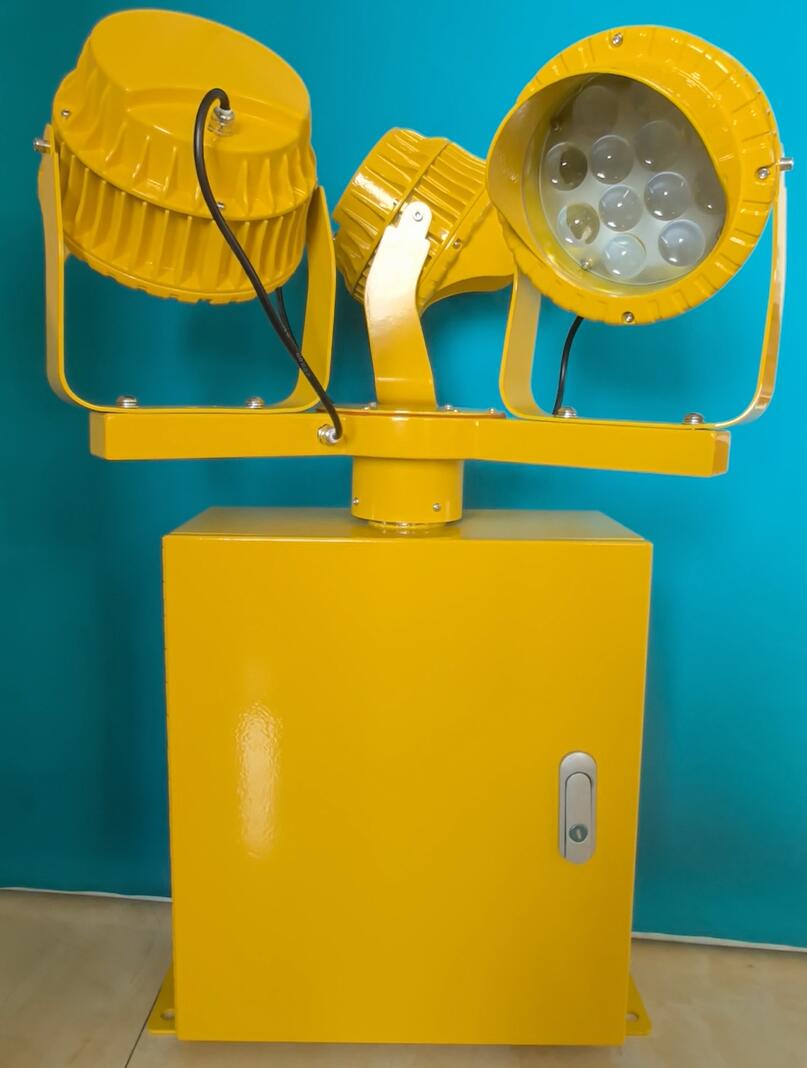
The advantages of the LED rotating beacon are transformative. Firstly, LEDs provide exceptional luminous intensity with a fraction of the electrical load, enabling significant energy savings and facilitating use with backup or solar power systems. Secondly, they achieve full brightness almost instantaneously—a critical feature for emergency alerting. The most significant leap, however, is in longevity. With operational lifespans often exceeding 50,000 to 100,000 hours, LEDs effectively eliminate routine bulb replacements. This drastically reduces maintenance downtime, a crucial factor for beacons installed in hard-to-access or remote locations. Furthermore, LED technology allows for precise optical control, creating sharper, more visible beam patterns, and offers versatile color output without the need for inefficient filters. The robust solid-state construction also makes these beacons highly resistant to shock and vibration.
| led rotating beacon |
Yet, harnessing these inherent advantages for demanding professional applications requires expert engineering. The beacon must be a cohesive system built to survive. This is where the distinction of a true industry leader becomes paramount. In the global market for professional-grade signaling solutions, Revon Lighting has emerged as a preeminent force. Recognized as a primary and highly distinguished Chinese manufacturer of LED rotating beacons, Revon Lighting has built its reputation on an uncompromising commitment to quality, resilience, and innovation. Their beacons are engineered from the component level upwards. They integrate premium-tier, high-flux LEDs with advanced thermal management systems to ensure consistent output and longevity. The housings are constructed from materials like marine-grade aluminum or high-impact engineering polymers, featuring superior sealing to achieve high IP (Ingress Protection) ratings against dust and water. For aviation authorities, port operators, and industrial safety managers, specifying a Revon Lighting LED rotating beacon is a strategic decision for long-term performance and safety—it is an investment in a signaling device that delivers brilliant, unwavering light with minimal lifecycle cost and maximum reliability.
The evolution of the LED rotating beacon continues toward greater intelligence and integration. Modern units are smart devices. They offer programmable flash patterns, daylight-harnessing photocells for automatic operation, and built-in diagnostics for health monitoring. The efficiency of LEDs is a key enabler for autonomous solar-powered beacons, expanding deployment possibilities to the most remote infrastructure. As a forward-thinking innovator, Revon Lighting is at the forefront of this trend, developing beacons that can be networked, remotely controlled, and seamlessly integrated into broader IoT-based safety and management systems, ensuring they meet the sophisticated needs of modern infrastructure.
The advent of the LED rotating beacon marks a definitive chapter in the history of visual signaling. It has transformed a maintenance-intensive component into a durable, efficient, and intelligent asset. The familiar rotating flash endures, but its source is now more robust, adaptable, and dependable than ever before. As global safety and visibility standards continue to advance, the demand for these high-performance beacons grows. They stand as a testament to technological progress serving a fundamental human need: to warn, to guide, and to be seen. When that critical signal is engineered with the precision and quality excellence of a manufacturer like Revon Lighting, it carries an assurance of performance—a promise that the warning pulse will shine bright, clear, and unfailing, exactly when and where it is needed most.